
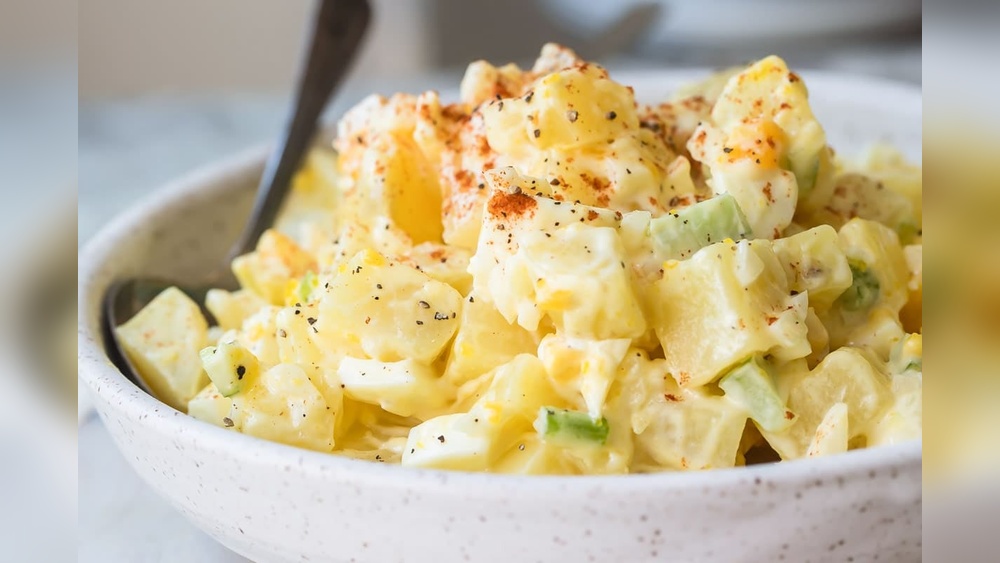
The humble potato salad, a quintessential side dish, graces picnics, barbecues, and family gatherings across the globe. Its creamy texture and satisfying flavors make it a crowd-pleaser, but when you add the richness of hard-boiled eggs, it elevates to a whole new level of comforting deliciousness.
This guide will walk you through the art of crafting the perfect potato salad with eggs, from selecting the best potatoes to achieving that ideal creamy dressing. We’ll explore variations, essential techniques, and tips to ensure your potato salad is a star at any event.
Key Takeaways
- Potato Choice Matters: Opt for waxy potatoes like Yukon Gold or red potatoes for their ability to hold their shape after boiling.
- Perfectly Boiled Eggs: Achieve tender, fully cooked eggs by starting in cold water and not overcooking.
- Cooling is Crucial: Allow both potatoes and eggs to cool completely before mixing to prevent a mushy salad and ensure the dressing emulsifies properly.
- Dressing Balance: The classic mayonnaise-based dressing can be enhanced with mustard, vinegar, and seasonings for a tangy, flavorful finish.
- Flavor Additions: Incorporate ingredients like celery, onion, pickles, herbs, and even bacon for added texture and taste complexity.
- Storage and Safety: Properly chill potato salad and consume within a few days to ensure food safety.
Understanding The Core Components
A truly exceptional potato salad with eggs is built upon a foundation of carefully chosen ingredients and precise preparation techniques. It’s more than just boiling potatoes and mixing them with mayonnaise; it’s about understanding how each element contributes to the final flavor and texture.
Selecting The Right Potatoes
The type of potato you choose significantly impacts the final outcome of your potato salad. Potatoes can be broadly categorized into starchy, all-purpose, and waxy. For potato salad, waxy potatoes are generally the preferred choice.
- Waxy Potatoes: These have a high moisture content and a low starch content. They hold their shape well when boiled, meaning your potato cubes will remain distinct and not disintegrate into a mush. Popular waxy varieties include:
- Red Potatoes: Their thin skins and firm flesh make them ideal. They also offer a slightly sweet flavor.
- Yukon Gold: A versatile all-purpose potato that leans towards waxy. They have a buttery flavor and a creamy texture that holds up well.
- Fingerling Potatoes: These long, slender potatoes are also waxy and add an elegant touch to potato salad.
- All-Purpose Potatoes: Varieties like white or yellow potatoes can work, but you need to be more careful not to overcook them. They offer a good balance of starch and moisture.
- Starchy Potatoes: Potatoes like Russets are best for mashing or baking. Their high starch content causes them to break down easily when boiled, leading to a mushy, less appealing potato salad texture.
Pro Tip: For a visually appealing salad, consider using a mix of potato types, like Yukon Golds for their creamy texture and red potatoes for their vibrant color.
The Art Of Boiling Potatoes
The method of boiling potatoes is critical to achieving the right texture. Overcooked potatoes will turn to mush, while undercooked potatoes will be hard and unpleasant.
- Wash and Cut: Thoroughly wash your potatoes. You can peel them or leave the skins on, depending on your preference and the type of potato. For even cooking, cut the potatoes into uniform, bite-sized cubes (about 3/4 to 1 inch).
- Cold Water Start: Place the cut potatoes in a large pot and cover them with cold water by about an inch. Starting with cold water allows the potatoes to heat up gradually and cook evenly from the outside to the center.
- Salt the Water: Add a generous amount of salt to the water. This seasons the potatoes from the inside out, a crucial step for flavor. A good rule of thumb is about 1 tablespoon of salt per quart of water.
- Boil and Simmer: Bring the water to a boil over high heat, then reduce the heat to a simmer. Simmer gently until the potatoes are fork-tender. This means a fork or a sharp knife can easily pierce a potato cube with little resistance, but it shouldn’t fall apart. Cooking time will vary depending on the size of the cubes and the type of potato, typically ranging from 10 to 20 minutes.
- Drain and Cool: Once tender, carefully drain the potatoes in a colander. Allow them to steam dry for a few minutes to remove excess moisture. Then, spread them out on a baking sheet or large plate and let them cool completely. This step is vital. Warm potatoes will absorb the dressing differently, potentially making the salad greasy or mushy. Cooling also helps firm up the potato structure.
Achieving Perfect Hard-boiled Eggs
Hard-boiled eggs are a cornerstone of this classic salad, adding protein and a rich, creamy element. The key is to avoid the dreaded green ring around the yolk and to ensure the whites are firm but not rubbery.
- Use Older Eggs: Fresher eggs can be harder to peel. Eggs that are a week or two old are often easier to manage.
- Cold Water Start: Just like potatoes, start your eggs in a pot filled with cold water, ensuring they are covered by about an inch of water. This prevents cracking and promotes even cooking.
- Bring to a Boil, Then Simmer: Bring the water to a rolling boil over high heat. Once boiling, immediately remove the pot from the heat, cover it, and let the eggs sit in the hot water for about 10-12 minutes. This method allows the residual heat to cook the eggs perfectly without overcooking.
- Ice Bath: After the resting period, immediately transfer the eggs to a prepared ice bath (a bowl filled with ice and cold water). Let them cool in the ice bath for at least 10-15 minutes. This stops the cooking process, preventing the greenish ring, and makes them easier to peel.
- Peeling: Gently tap the cooled eggs on a hard surface to crackle the shell all over. Peel them under cool running water; the water helps to loosen the shell fragments.
The Classic Potato Salad Dressing
The dressing is the soul of potato salad, binding all the ingredients together and providing the characteristic creamy, tangy flavor. The most traditional dressing is mayonnaise-based, but it can be customized to your liking.
Mayonnaise: The Creamy Base
Mayonnaise is the undisputed star of most classic potato salad dressings. Its rich, emulsified texture provides the perfect creamy consistency.
- Quality Matters: Opt for a good quality mayonnaise. Full-fat versions generally yield the best flavor and texture. Some people prefer to use a mix of mayonnaise and sour cream or Greek yogurt for a lighter, tangier dressing, but for the classic taste, mayonnaise reigns supreme.
- Room Temperature: For the smoothest emulsion, it’s often beneficial if your mayonnaise is at room temperature when you start mixing the dressing.
Adding Tang And Flavor
While mayonnaise provides creaminess, a good dressing needs acidity and depth of flavor.
- Mustard: Yellow mustard is the classic choice for its mild tang and vibrant color. Dijon mustard can be used for a more pungent, complex flavor, or a combination of both.
- Vinegar: A splash of vinegar (white vinegar, apple cider vinegar, or even white wine vinegar) adds brightness and cuts through the richness of the mayonnaise.
- Seasonings: Salt and freshly ground black pepper are essential. A pinch of sugar can balance the acidity, and a dash of paprika or celery seed can add subtle aromatic notes.
The Ratios: Finding Your Perfect Balance
The beauty of potato salad is its adaptability. However, a good starting point for a classic dressing for about 2 pounds of potatoes is:
- 1 cup mayonnaise
- 2-3 tablespoons yellow mustard
- 1 tablespoon vinegar
- 1/2 teaspoon salt (or to taste)
- 1/4 teaspoon black pepper (or to taste)
- Optional: 1/2 teaspoon sugar, pinch of paprika
Whisk these ingredients together in a large bowl until well combined. Taste and adjust seasonings as needed. Remember, you can always add more, but you can’t take it away.
Essential Add-ins For Texture And Taste
Beyond the potatoes, eggs, and dressing, a variety of add-ins can transform a simple potato salad into something truly special. These ingredients contribute not only flavor but also crucial textural contrast.
The Crunch Factor: Vegetables
Vegetables add freshness, crunch, and visual appeal.
- Celery: Finely diced celery is a classic addition, providing a crisp texture and a mild, refreshing flavor.
- Onion: Finely minced red onion or shallots offer a sharp bite. If you find raw onion too strong, you can soak the minced onion in cold water for 10 minutes before draining, or even lightly sauté it for a milder flavor. Green onions (scallions) can also be used for a milder onion flavor and a pop of color.
- Bell Peppers: Finely diced bell peppers (especially red or yellow) add a subtle sweetness and crunch.
- Pickles/Relish: Diced dill pickles or sweet pickle relish add a briny, tangy, and slightly sweet counterpoint to the creamy dressing.
Flavor Boosters
These ingredients pack a punch and add layers of complexity.
- Hard-Boiled Eggs: As the star, ensure they are evenly distributed. Chop them coarsely or finely, depending on your preference.
- Fresh Herbs: Chopped fresh herbs like parsley, chives, or dill add brightness and a fresh aroma. Parsley is a classic choice for its mild flavor and vibrant green color.
- Bacon: Crispy, crumbled bacon is a decadent addition that brings a smoky, salty crunch.
- Capers: A small amount of capers can add a salty, briny burst of flavor.
- Olives: Sliced black or green olives can introduce a salty, piquant element.
Building Your Perfect Combination
Consider the balance of flavors and textures when choosing your add-ins. A common and highly successful combination includes:
- Diced celery
- Minced red onion
- Diced dill pickles
- Chopped fresh parsley
This blend offers a delightful mix of crunch, sharpness, tang, and freshness that complements the creamy dressing and tender potatoes and eggs beautifully.
Step-by-step Assembly: Bringing It All Together
With all your components prepared and cooled, the assembly process is straightforward. The key is gentle mixing to maintain the integrity of the potatoes and eggs.
The Mixing Process
- Combine Potatoes and Eggs: In a large mixing bowl, gently combine the cooled, cubed potatoes and the chopped hard-boiled eggs.
- Add Vegetables and Other Add-Ins: Add your chosen chopped vegetables (celery, onion, pickles, etc.) And any other flavor boosters like bacon or herbs.
- Dress the Salad: Pour the prepared dressing over the ingredients. Start with about two-thirds of the dressing and gently fold everything together using a rubber spatula or large spoon. Be careful not to mash the potatoes.
- Adjust Consistency: Continue to fold, adding more dressing as needed until all ingredients are evenly coated and the salad reaches your desired creamy consistency. You want it moist but not drowning in dressing.
- Taste and Season: Taste the salad and adjust seasonings if necessary. You might need more salt, pepper, or a touch more vinegar or mustard depending on your preference.
Chilling For Flavor Development
This is a non-negotiable step for the best potato salad. Once assembled, cover the bowl tightly with plastic wrap or a lid and refrigerate for at least 1-2 hours, preferably longer. This chilling period allows the flavors to meld and deepen, and the dressing to fully permeate the potatoes. The salad will taste significantly better after it has had time to chill.
Variations On A Classic Theme
While the classic mayonnaise-based potato salad with eggs is beloved, numerous variations can cater to different tastes and dietary preferences. Experimenting with these can introduce exciting new dimensions to this familiar dish.
German Potato Salad
Unlike its creamy American cousin, German potato salad is typically served warm or at room temperature and features a tangy vinaigrette-style dressing.
- Potatoes: Waxy potatoes are still preferred, but they are often sliced thinly after boiling rather than cubed.
- Dressing: The dressing is usually a mixture of vinegar, broth (beef or chicken), sugar, and mustard, often emulsified with a bit of oil or rendered bacon fat.
- Add-ins: Crispy bacon bits, sautéed onions, and fresh parsley are common. It’s a heartier, more robust salad.
Southern-style Potato Salad
This version often leans heavily on mayonnaise and may include ingredients like mustard, sweet pickle relish, chopped hard-boiled eggs, and sometimes paprika sprinkled on top for color. Some recipes might also incorporate a touch of sugar or even a dollop of mustard powder for extra zing.
Healthier Potato Salad Options
For those seeking a lighter alternative, several modifications can be made:
- Reduced Fat Mayo: Substitute half or all of the mayonnaise with Greek yogurt or light mayonnaise. This reduces fat and calories while adding a tangy flavor.
- Vinegar-Based: For a lighter, tangier profile, increase the vinegar and mustard ratio and decrease the mayonnaise.
- Avocado: Mashed avocado can be used as a creamy base, offering healthy fats, though it will alter the color and flavor profile significantly.
Adding Global Flavors
- Mediterranean Twist: Incorporate ingredients like Kalamata olives, sun-dried tomatoes, feta cheese, and fresh dill or oregano. Use a lemon-herb vinaigrette or a lighter yogurt-based dressing.
- Curried Potato Salad: Add curry powder to the dressing, along with ingredients like chopped apple, raisins, and toasted almonds for a sweet and savory profile.
Potato Salad Storage And Food Safety
Proper storage is paramount to ensure your potato salad remains safe and delicious. Potato salad, like other mayonnaise-based salads, can be a breeding ground for bacteria if not handled correctly due to its high moisture and protein content.
Refrigeration Is Key
- Prompt Chilling: Refrigerate potato salad within two hours of serving. If the ambient temperature is above 90°F (32°C), this window shortens to just one hour.
- Airtight Containers: Store potato salad in an airtight container to prevent contamination and keep it from absorbing odors from other foods in the refrigerator.
- Temperature: Ensure your refrigerator is set to 40°F (4°C) or below.
Shelf Life
- Homemade: Properly stored homemade potato salad is typically safe to consume for 3 to 4 days.
- Signs of Spoilage: Discard the potato salad if you notice any off-putting smells, a slimy texture, or visible mold. When in doubt, throw it out.
Food Safety For Events
- Serving: When serving potato salad at outdoor events like picnics or barbecues, keep it in a chilled cooler with plenty of ice. Replenish ice as needed.
- Avoid Cross-Contamination: Use clean utensils for serving and never place used serving spoons back into the main bowl.
Frequently Asked Questions
What Are The Best Potatoes To Use For Potato Salad?
The best potatoes for potato salad are waxy varieties such as red potatoes, Yukon Golds, or fingerling potatoes. These potatoes have a lower starch content and hold their shape well when boiled, preventing the salad from becoming mushy. Starchy potatoes like Russets tend to break down too easily.
How Do I Prevent My Potato Salad From Becoming Watery?
To prevent a watery potato salad, ensure you drain the boiled potatoes thoroughly and let them steam dry for a few minutes. Spreading them on a baking sheet to cool completely is also crucial, as warm potatoes release more moisture. Additionally, avoid over-mixing, which can break down the potatoes and release starches that contribute to a watery consistency. Using a good quality, full-fat mayonnaise also helps create a stable, creamy dressing that isn’t prone to separating.
Can I Make Potato Salad Ahead Of Time?
Yes, potato salad is often best made ahead of time. Refrigerating it for at least 1-2 hours, or even overnight, allows the flavors to meld and deepen, resulting in a more cohesive and delicious final product. Ensure it is stored in an airtight container in the refrigerator.
How Long Does Homemade Potato Salad Last In The Refrigerator?
Homemade potato salad, when stored properly in an airtight container at 40°F (4°C) or below, typically lasts for 3 to 4 days. It’s important to consume it within this timeframe for optimal safety and quality. Always check for signs of spoilage before serving.
What Are Some Common Mistakes To Avoid When Making Potato Salad?
Common mistakes include using the wrong type of potato (starchy ones), overcooking or undercooking the potatoes, not cooling the potatoes and eggs completely before mixing, over-mixing the salad which can make it mushy, and not chilling the salad long enough for the flavors to meld.
Also, failing to season the potato-cooking water adequately can result in bland potatoes.
The journey to crafting an outstanding potato salad with eggs is one of thoughtful preparation and mindful assembly. By understanding the nuances of potato selection, mastering the boiling techniques for both potatoes and eggs, and balancing the creamy, tangy dressing with complementary add-ins, you can create a side dish that is both comforting and crave-worthy.
Whether you stick to the beloved classic or venture into its many delicious variations, the key lies in quality ingredients and patient execution. Remember that chilling time is your friend, allowing the flavors to harmonize into a symphony of taste and texture.
This versatile dish, when made with care, is sure to be a highlight at any meal, proving that sometimes, the simplest recipes are the most rewarding.
Leave a Reply